Wind Harnessing Technology
A novel concept for automotive energy recovery, replacing the radiator fan with a small-scale, high-speed wind turbine. CFD-driven airfoil optimization for low-velocity, constrained-flow environments.
UNIVERSITY OF WATERLOO · MECHANICAL RESEARCH
Analysis
ANSYS CFD
Design
SolidWorks CAD
Domain
Aerodynamics
Recovering parasitic airflow.
The objective: rethink energy recovery in high-airflow, constrained environments. The radiator fan in a typical automotive cooling system pushes a continuous, turbulent volume of air, most of which dissipates as heat without recovering useful work.
By replacing the conventional fan with a small-scale, high-speed wind turbine sized for the cooling pack, parasitic losses can be captured as electrical output. The challenge: precisely tune blade profiles to operate efficiently inside a turbulent wake region without impeding the cooling airflow the engine still needs.
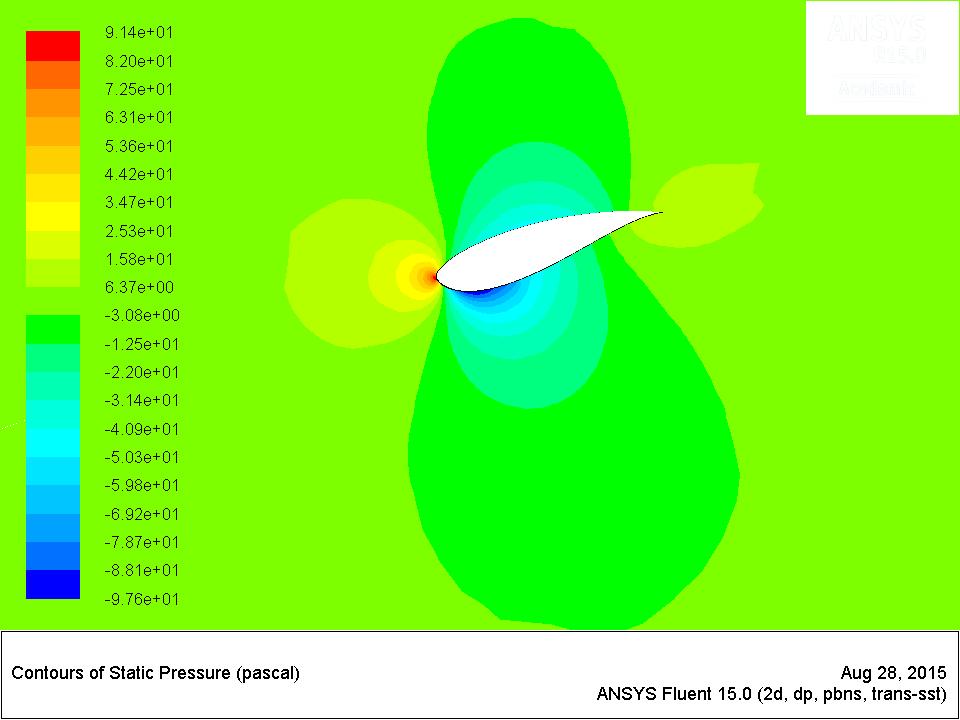
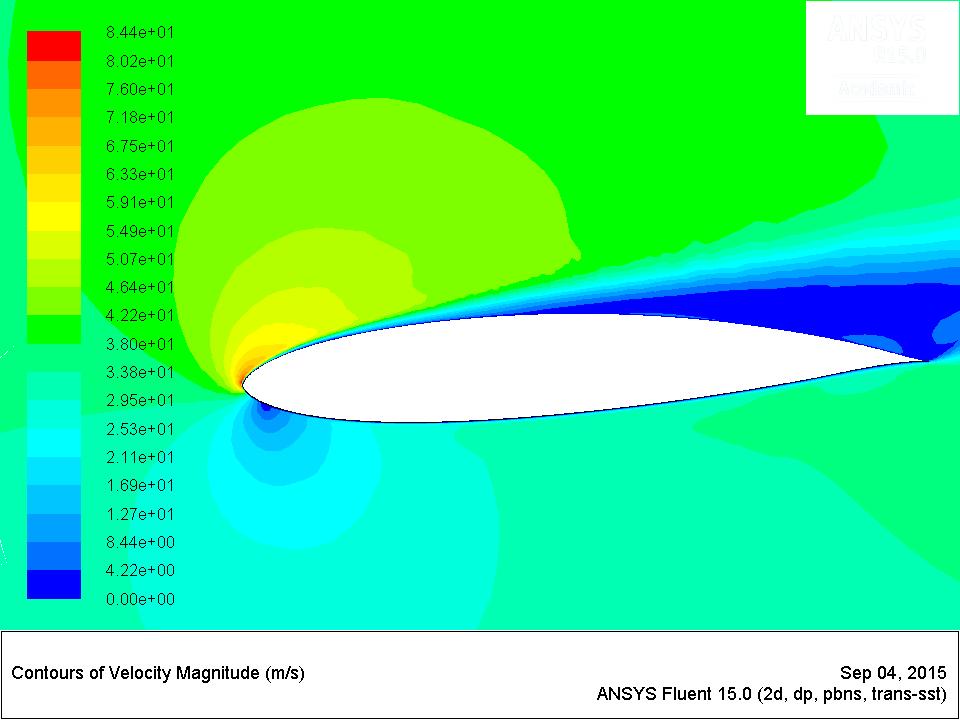
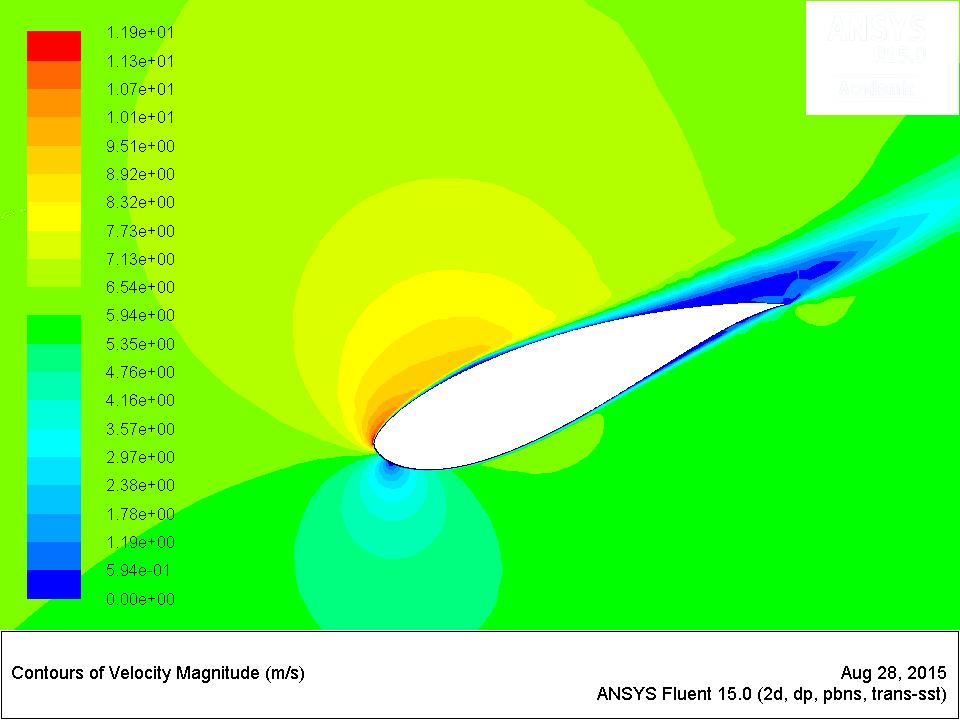
The work involved iterative blade-geometry studies in SolidWorks, paired with ANSYS CFD characterization of pressure, velocity, and angle-of-attack across the operating envelope.
Key Highlights
Energy recovery from cooling-pack airflow
Iterative CFD-driven blade tuning
Calibrated against turbulent wake conditions
Technical Documentation